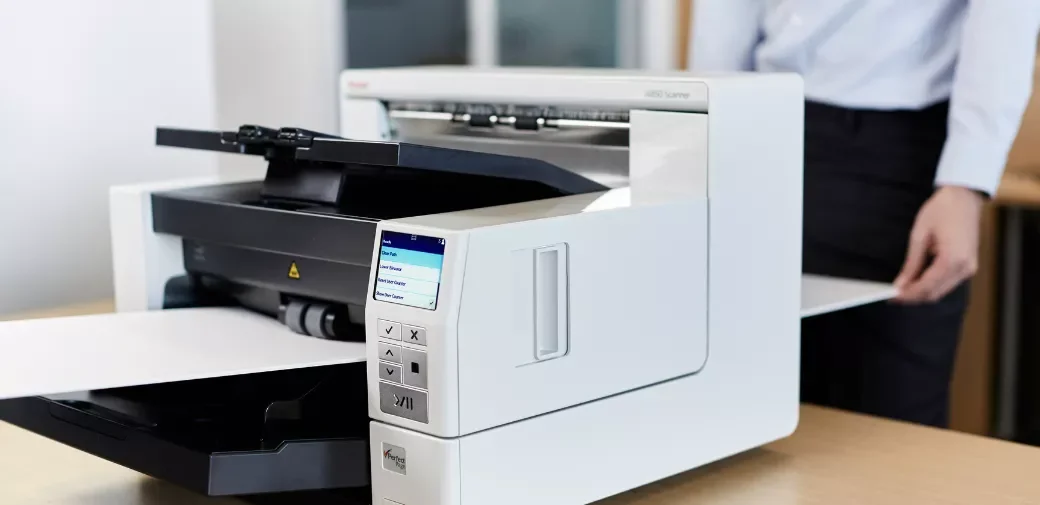
The answer is…
Sometimes the first step is the most obvious.
The reality is, every faster workflow starts the same way:
prep and organize → scan into high-res digital files → structure them into formats your systems can actually use.
With your documents digitized, NextFile AI takes it further:
⚡ Extracts key data from unstructured documents (handwritten or machine text)
🧠 Restructures information to match your exact workflows and data models
🔗 Integrates seamlessly into your existing systems (ERP, CRM, or custom tools)
And it can do it all in seconds.
So what’s missing?
The Real Bottleneck Isn’t Paper — It’s What Happens After
Most legacy systems don’t struggle because they use paper.
They struggle because their information isn’t actionable.
Paper creates friction, but so do:
Unsearchable PDFs
Inconsistent data formats
Manual validation steps
Systems that don’t talk to each other
This is why scanning alone feels like progress… but not the full solution.
The 3-Step Workflow That Actually Changes Operations
1. Prep & Organize
Documents are sorted, indexed, and made ready for consistent capture.
2. High-Resolution Scanning
Physical files become clean, accessible digital assets.
3. AI Extraction + Structuring
Data is pulled, organized, and delivered into the formats your systems already use.
NextFile adapts the data to your workflow.
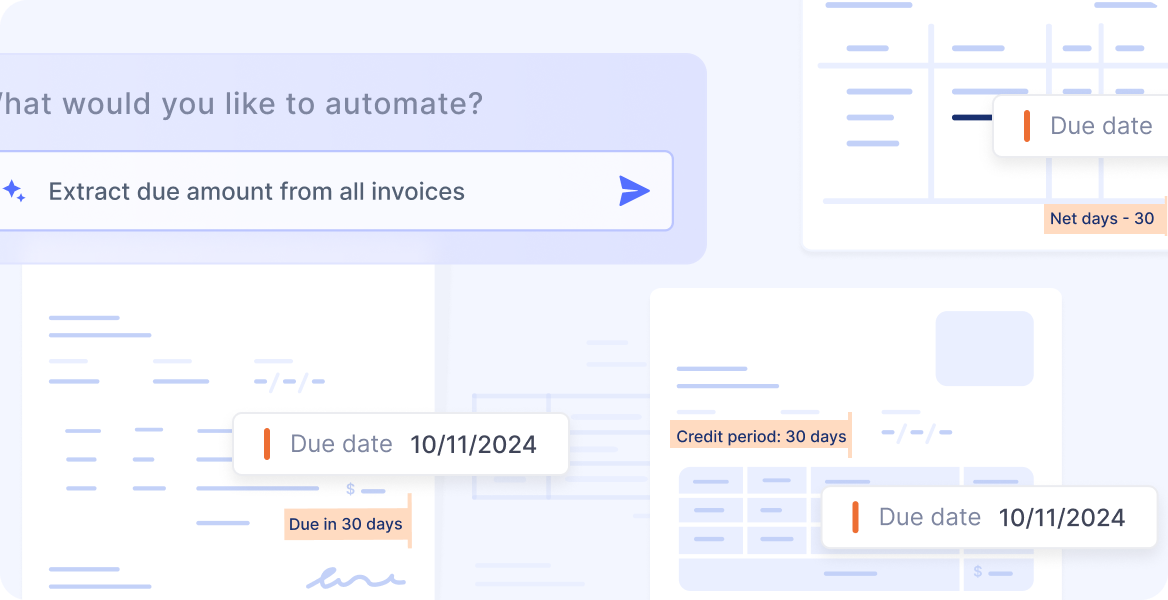
Extracts data from structured and unstructured documents
Understands layouts without rigid templates
Restructures output to match your internal systems
Integrates directly into ERP, CRM, or custom environments
The result:
Your documents don’t just exist digitally — they move through your business automatically.
Real Outcomes for Teams in Legacy Environments
When this is done right, teams start to see:
Faster turnaround times across operations
Reduced reliance on physical storage and offsite archives
Instant access to critical information
Stronger compliance and audit readiness
Less manual work, fewer errors, and better use of skilled staff
So when is the right time to start?
If you’re currently:
Managing large volumes of physical files
Preparing for a move, audit, or digital transition
Scaling operations but constrained by manual processes
Maintaining compliance in document-heavy environments
Then you’re already at the point where this shift makes sense.
Scanning is the first step.
But transformation happens when your data starts working for you.
If your team is still dealing with paper, or stuck managing digital files that don’t go anywhere —
it’s time to move beyond storage and into structured, automated workflows.