
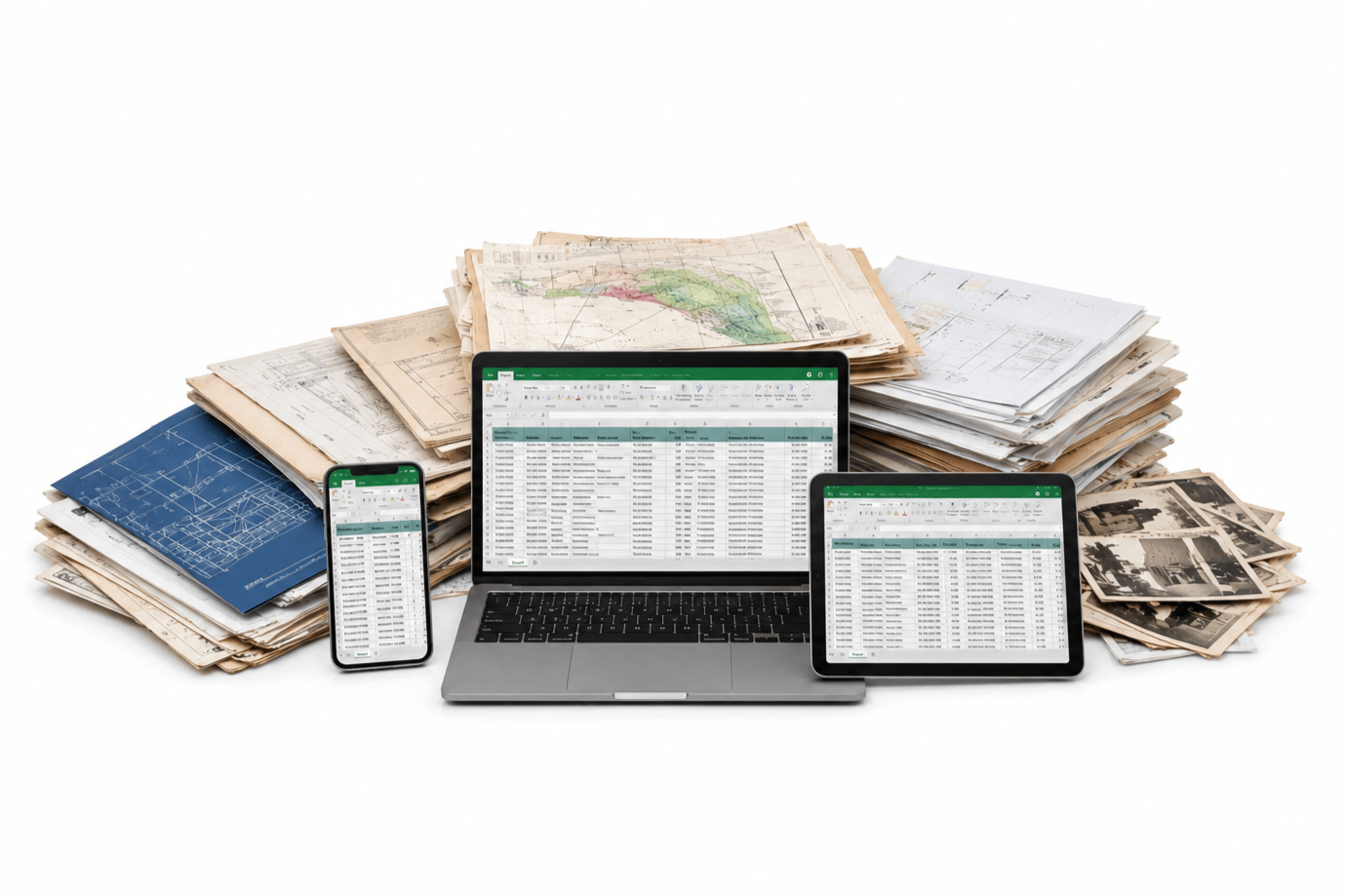
Get More Done With Less Manual Work.
Capture documents, extract trusted data with AI and human verification, then automate the workflows that move your business forward.
Explore below ↓
38+
2mil+
Years of Experience
Documents Processed
Less Manual Review
Extraction Accuracy
98%
90%
Connect to Your ERP, CRM, Database, & More
Automatically deliver structured data to the systems your team already relies on.











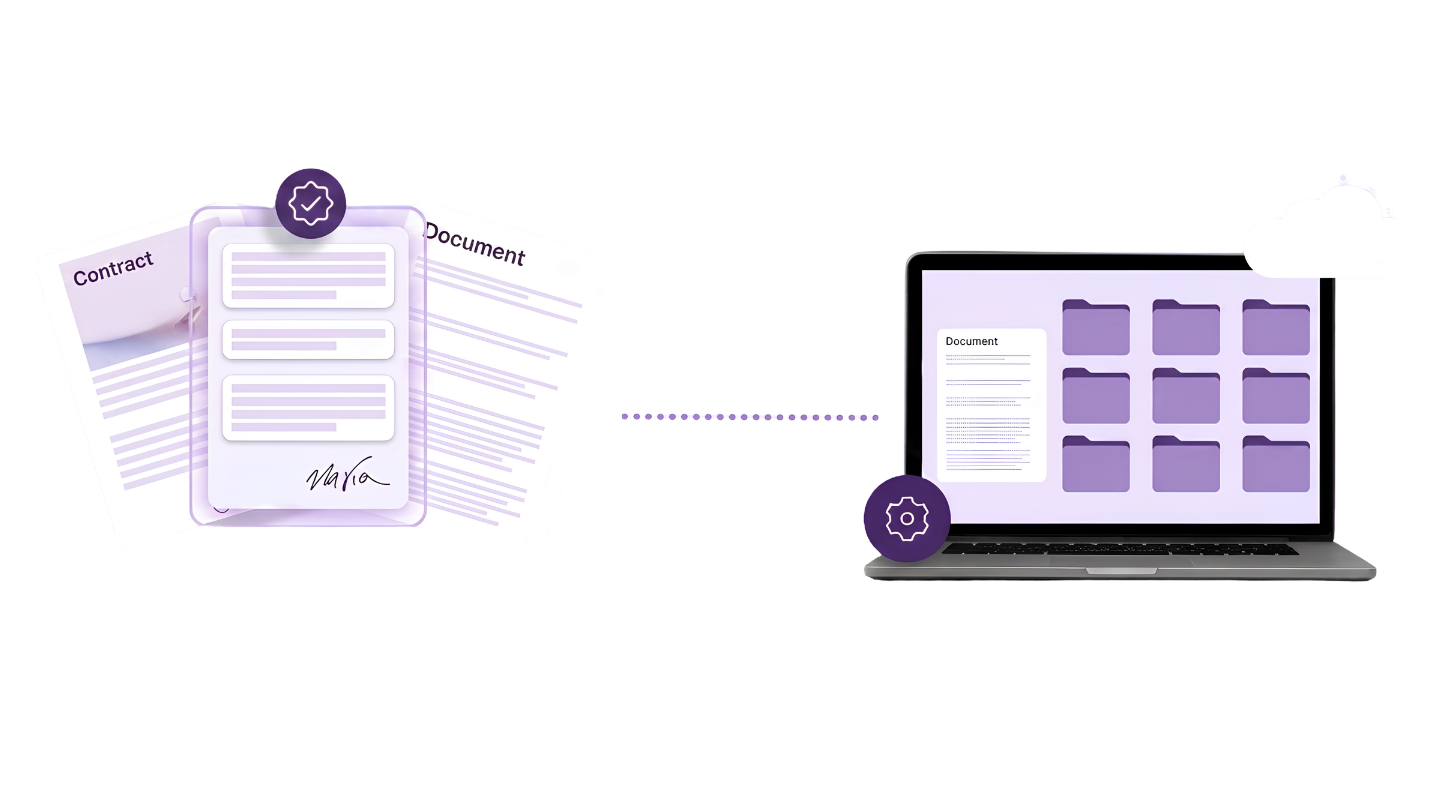
One Platform. Every Step of Your Information Workflow.
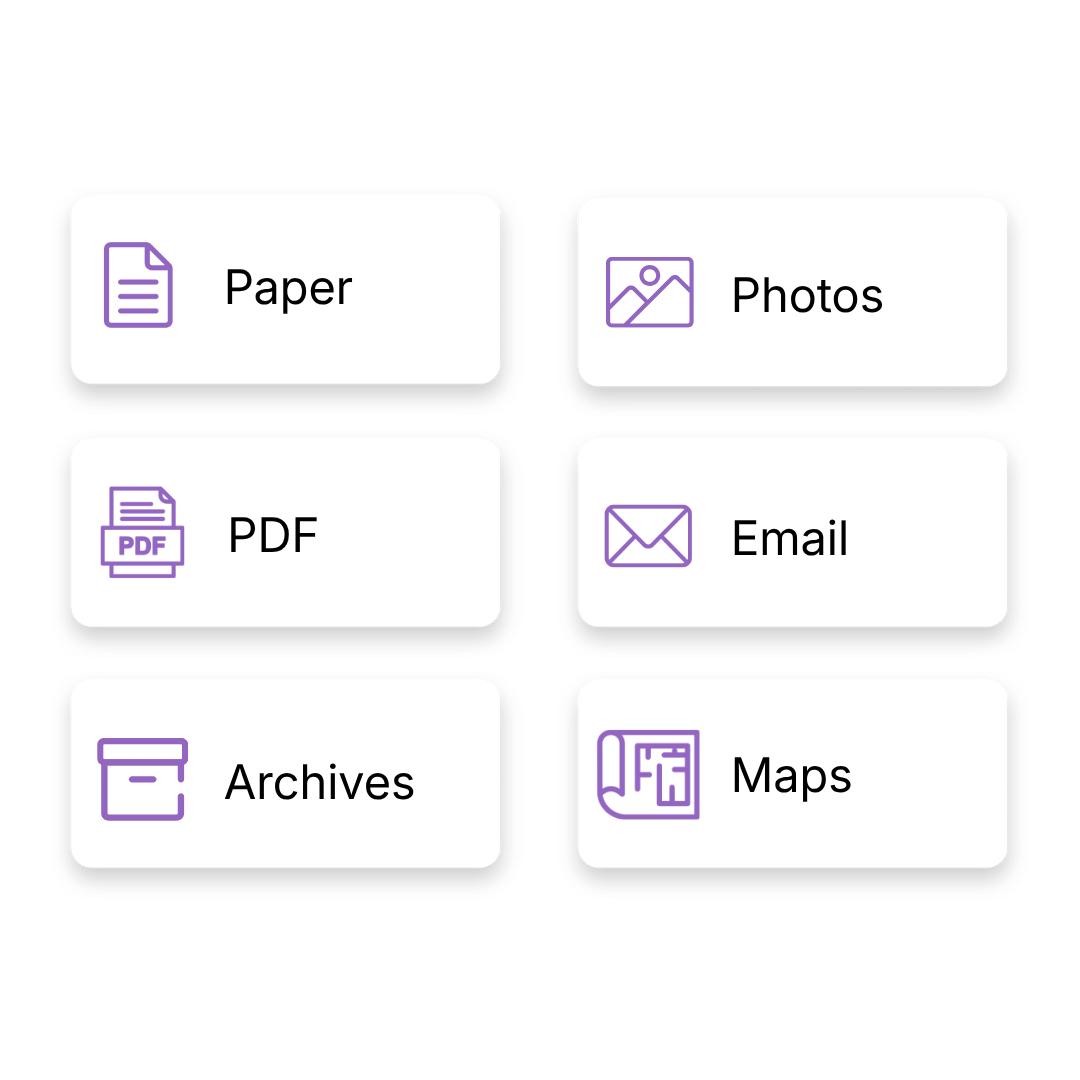
Scan hardcopies or upload PDFs, photos, email attachments, forms, or legacy archives.
Capture
AI identifies the information you need with expert review available for added confidence.
Extract
Automate
Send structured data directly into Microsoft, SharePoint, QuickBooks, Salesforce, SQL, or your own applications.

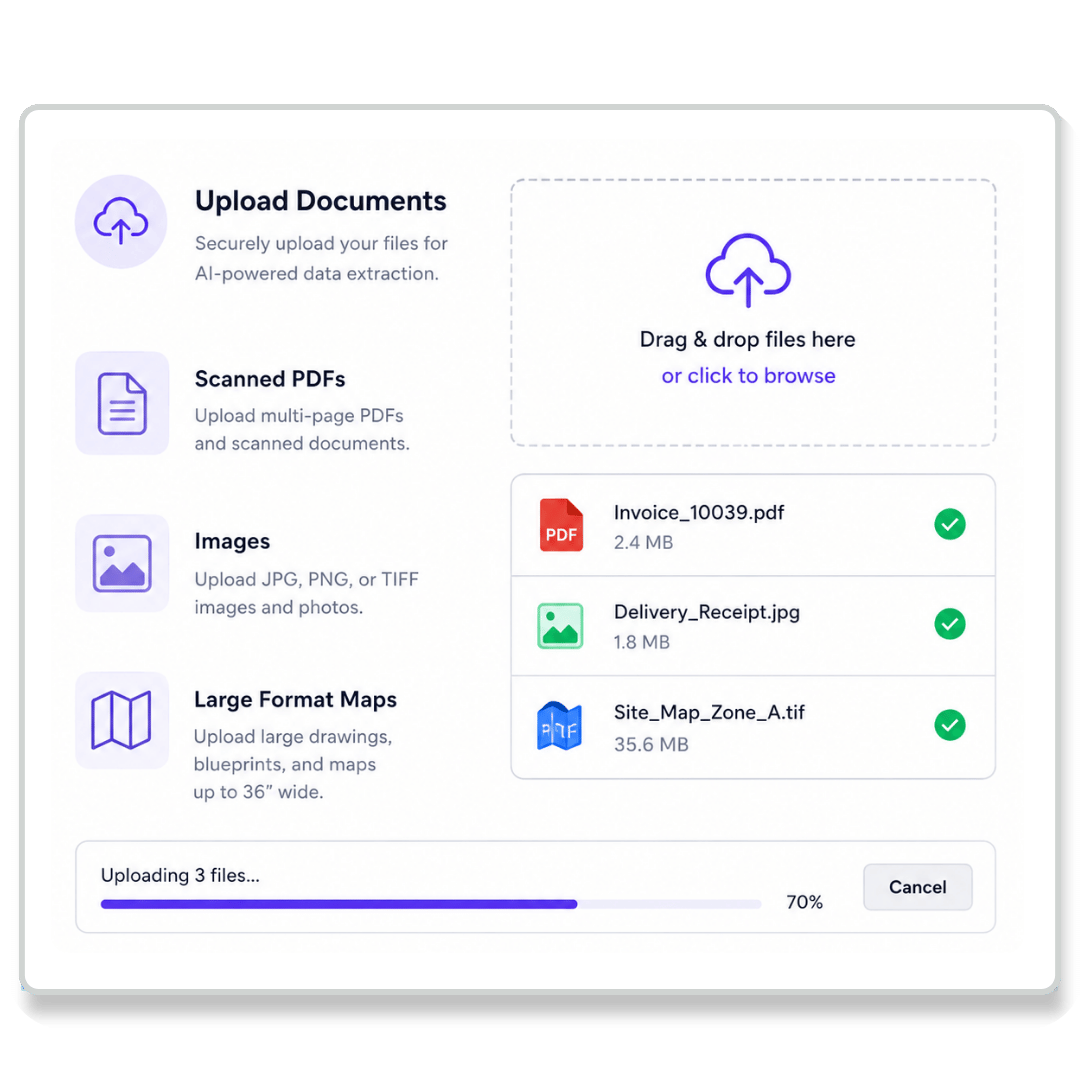
Digitize Documents
Transform paper records, PDFs, photos, and large-format documents into searchable digital files ready for AI, automation, and instant access.

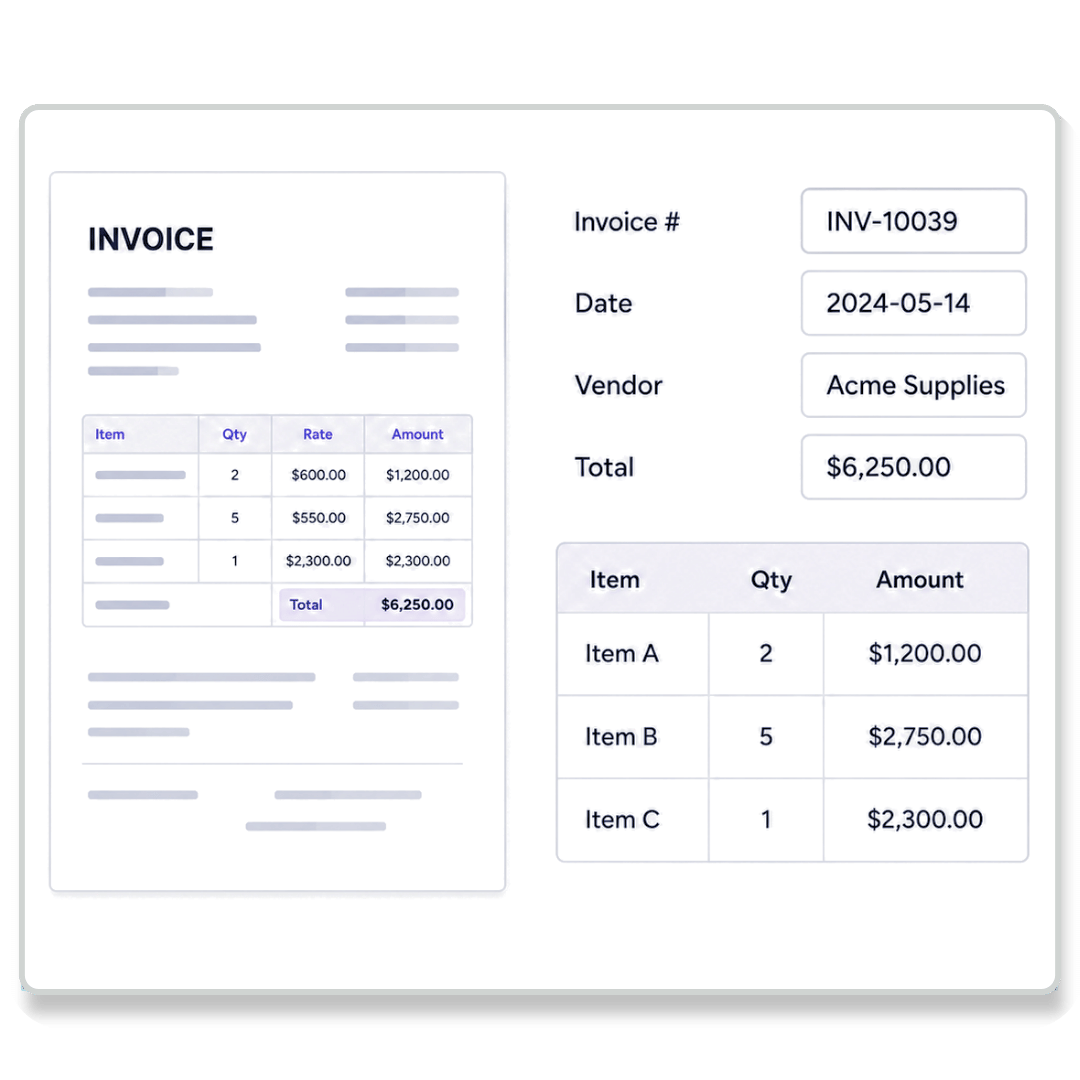
Restructure Your Data
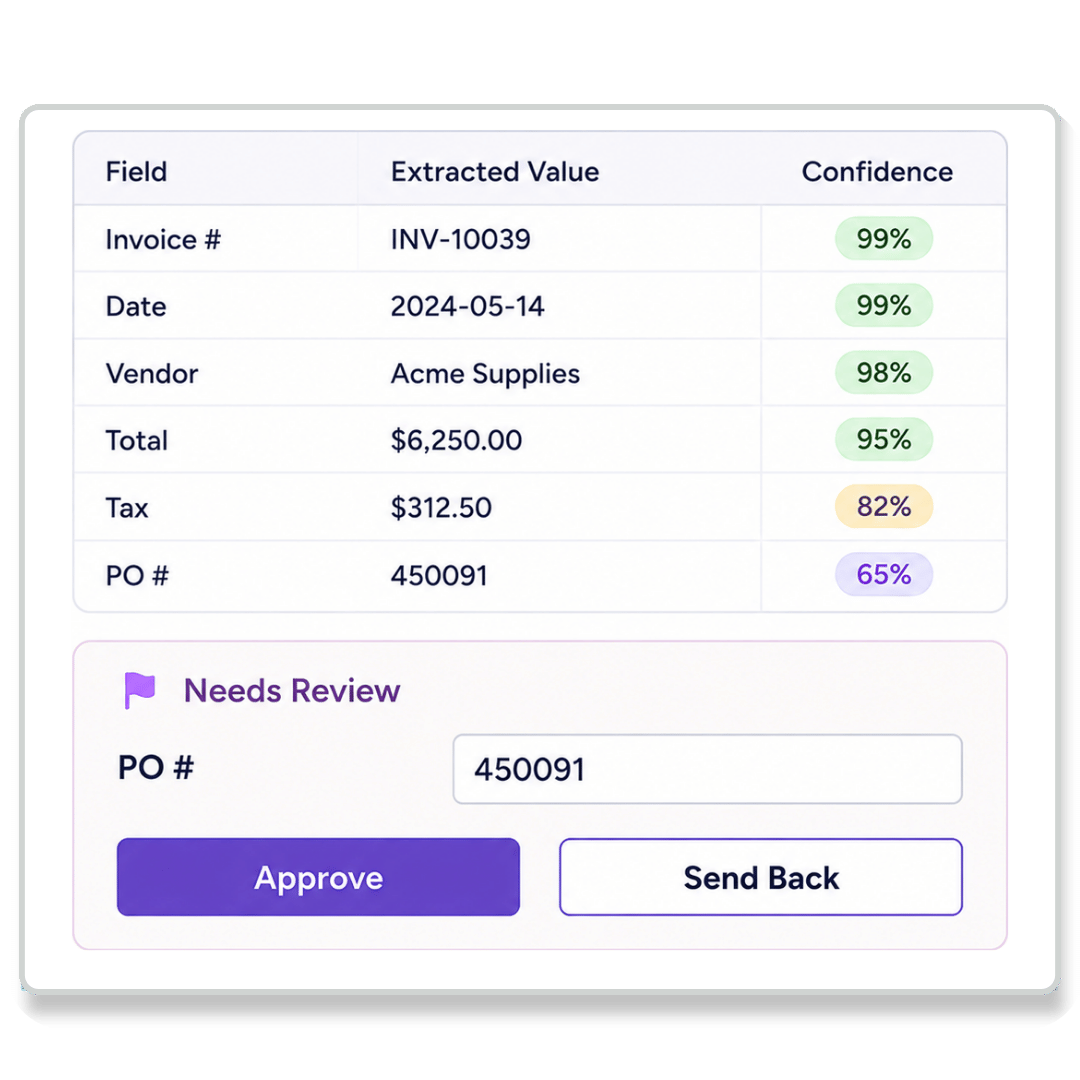
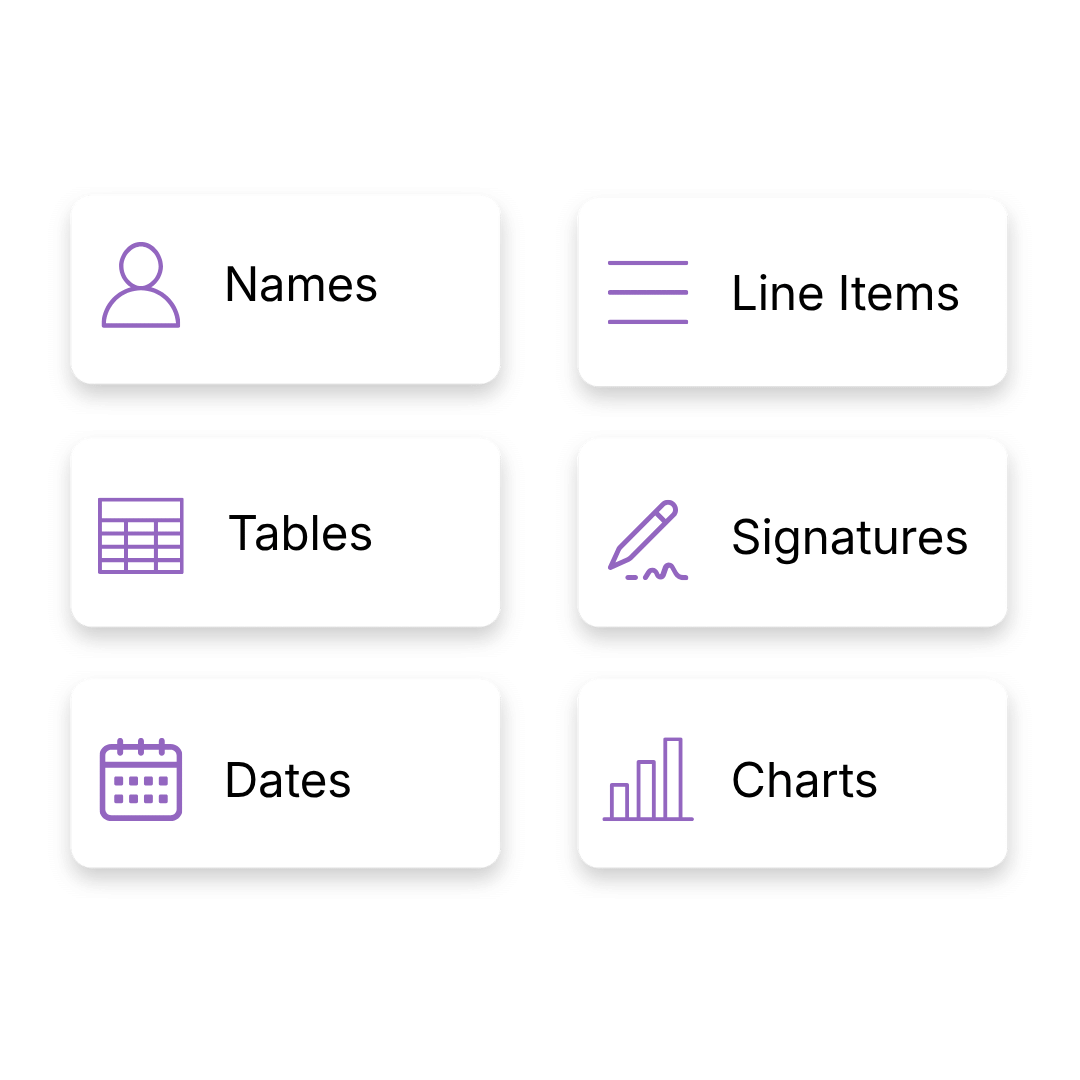
Extract information from invoices, forms, contracts, claims, medical records, geological logs, and custom documents with AI-powered extraction and human validation where it matters most.

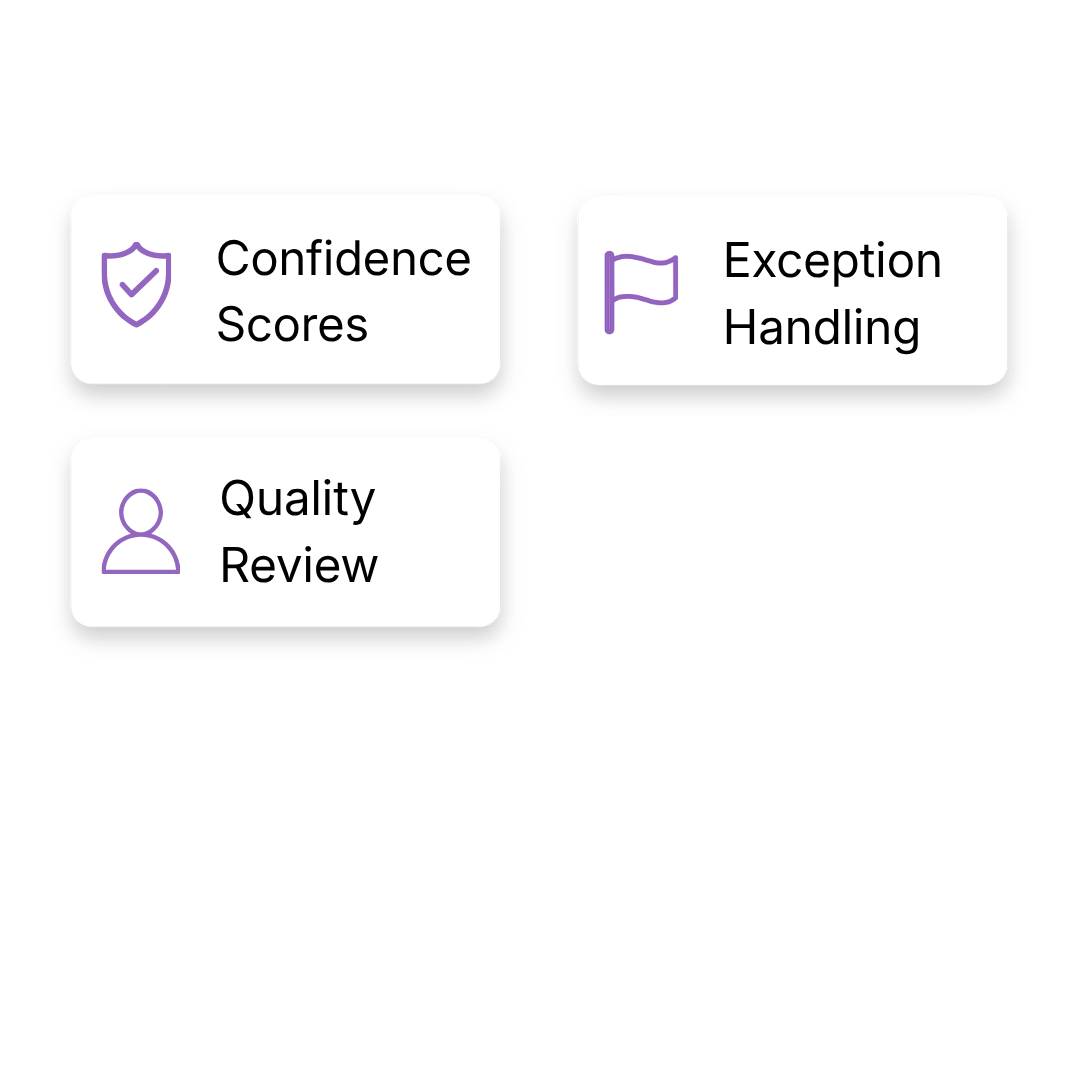
Human Validation
Low-confidence fields are flagged for review, where our team verifies the data before it's delivered to your business systems.
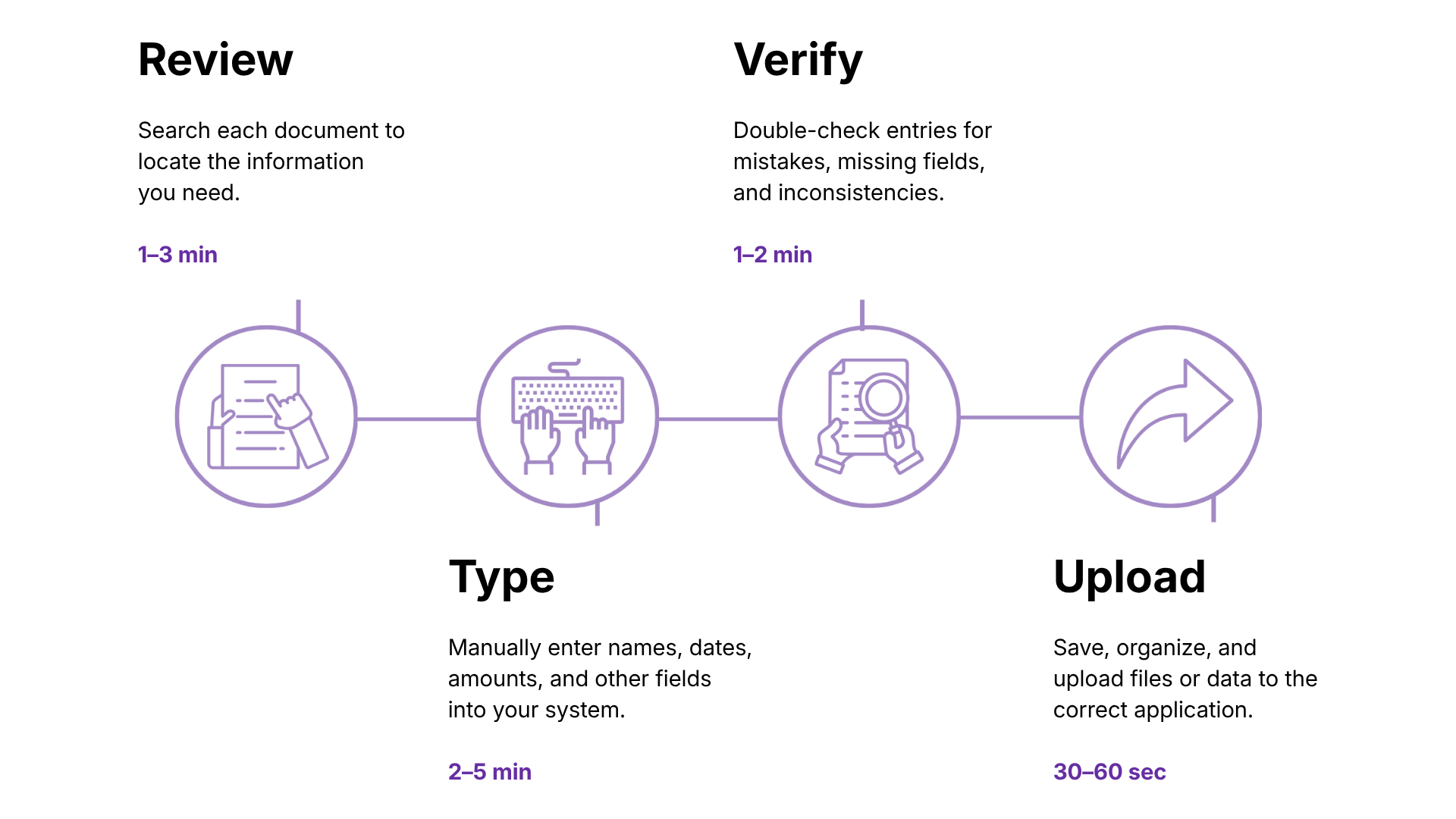
Manual Data Entry Solved.
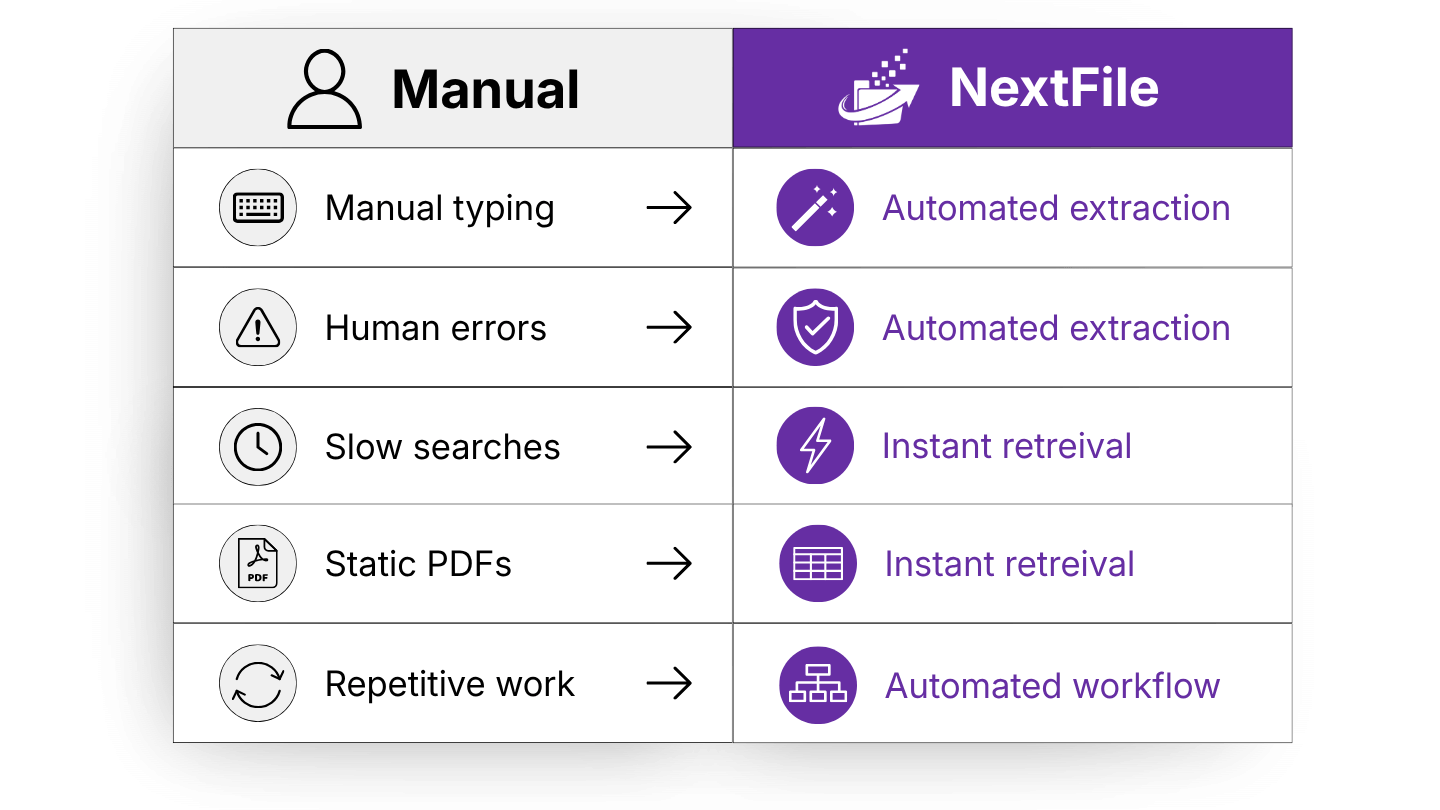
Every manual step adds time, cost, and opportunities for error. Intelligent document processing eliminates repetitive work, giving your team trusted data in seconds instead of hours.
Get Better Results
See the different intelligent document processing makes.
90%
Faster Processing
95%
Less Document Review
100%
Searchable Records
Custom Solutions For Document-Heavy Teams
From invoices and contracts to geological logs and medical records, NextFile helps organizations transform documents into trusted data with AI-powered extraction, human validation, and workflow automation.

Geology
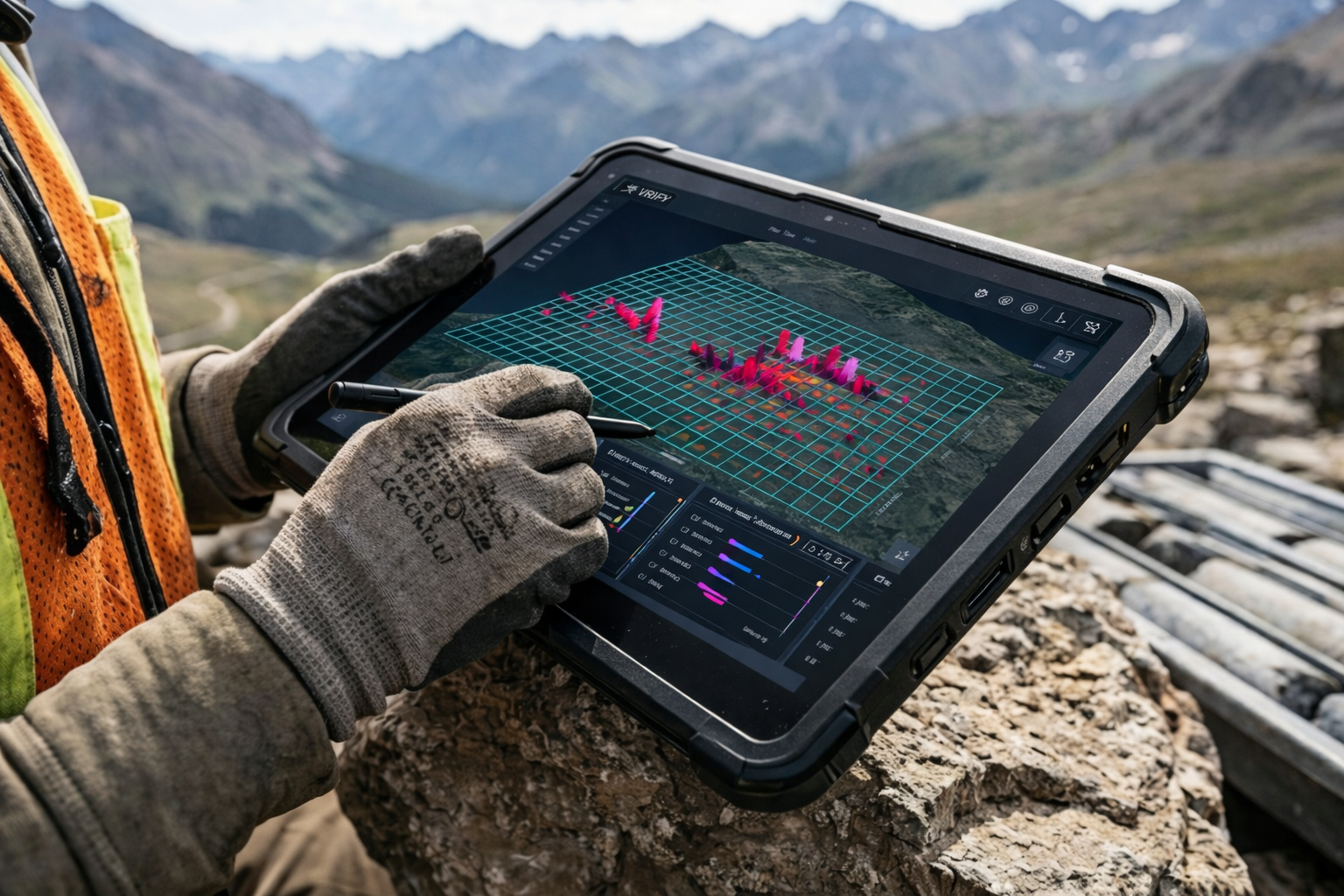
Turn decades of geological records into clean, structured data for resource modelling and exploration.

Logistics
Keep freight moving with faster document processing, automated data flow, and less manual paperwork across your operations.

Health Care
Give care teams faster access to patient information with connected, searchable records that reduce administrative work.

Finance
Accelerate accounts payable, approvals, and financial reporting with accurate, connected data that flows through your systems.

Legal
Centralize contracts, case files, and client records into searchable digital information that supports faster legal workflows.

Engineering
Convert technical documents into searchable, structured information for faster project delivery, collaboration, and digital modelling.

See Your Documents In Action.

Whether you’re looking to digitize an archive, extract data from documents, or automate an existing workflow, NextFile can help you move information forward faster.
✓ 90% reduction in processing time
✓ 99% accuracy with human validation
✓ seamless integration with existing systems
Ready To Move Faster?
See how NextFile can modernize your archive and ongoing workflows and drive results across your operations.
Trusted by organizations across the every industry.
Learn more about NEXTFILE AI solutions

The Information Bottleneck in Modern Trucking Operations

How Modern Engineering Firms Are Using New Digital Workflows
Real-Time Log Access for Today’s Geologists