Over time, paper becomes more than just a storage problem.
It’s a workflow problem.
For organizations managing large volumes of physical records, documents often sit in filing cabinets, storage rooms, or offsite archives, disconnected from the systems that drive daily operations.
The result? Slower processes, limited visibility, and unnecessary manual work.
Modern document scanning and digital imaging services are about turning static files into usable, structured data that fits seamlessly into how your business already operates.
The Hidden Cost of Physical Document Storage
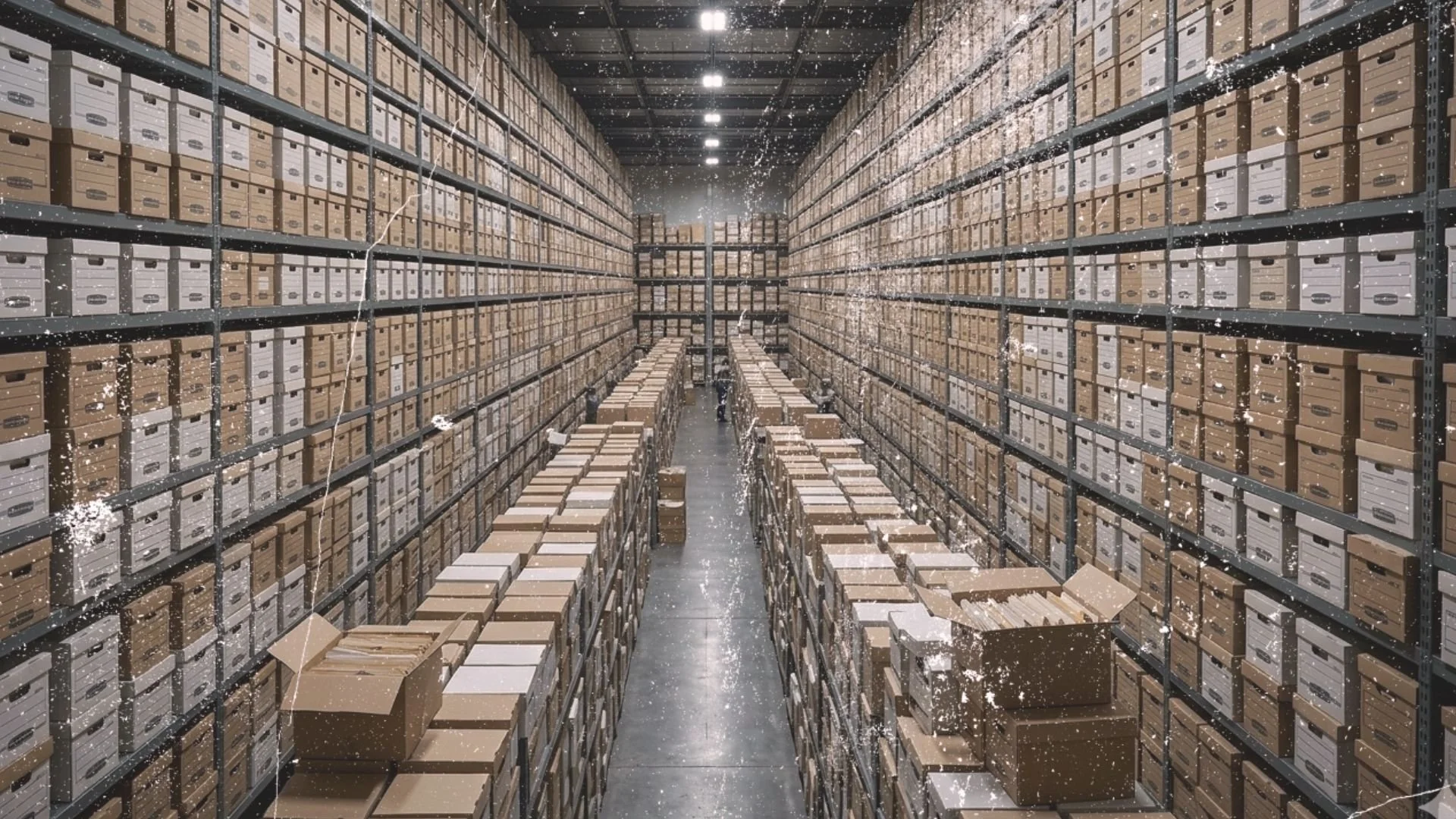
Most teams don’t notice how much paper is costing them, until it starts impacting output.
Physical records create friction across your organization:
Time wasted searching for files
Repetitive manual data entry
Delayed approvals and processing
Limited access for remote teams
Ongoing storage and retrieval costs
In high-volume industries like logistics, finance, healthcare, and legal, these inefficiencies scale quickly.
And yet, many organizations delay digitization because they think it requires a complete operational reset.
It doesn’t.
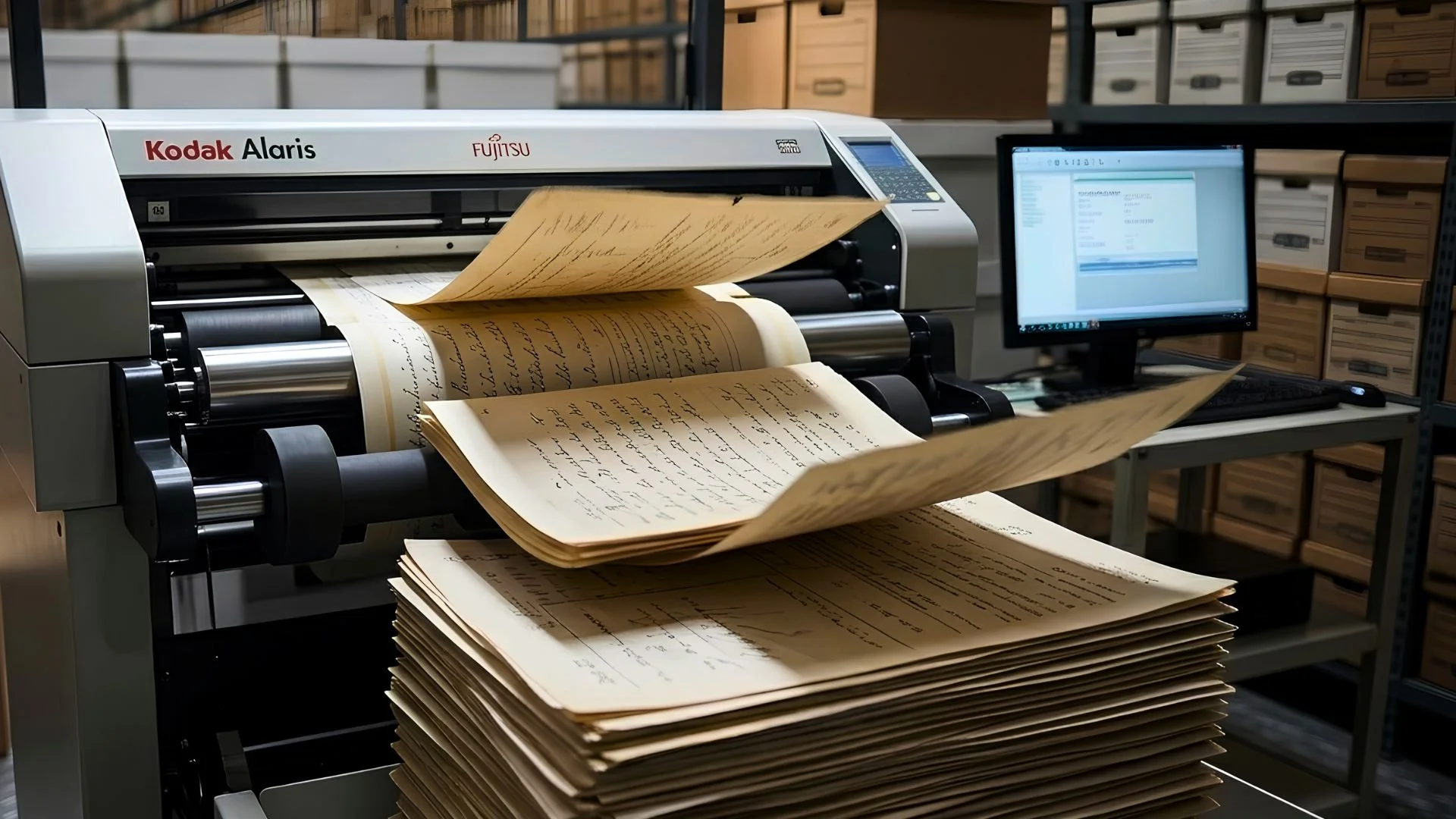
Scanning & Digital Imaging—Built Around Your Reality
Digitization isn’t one-size-fits-all. It should align with where your business is today—not force you into something new overnight.
1. Digitizing Large Archive Backlogs
If you’re managing years of physical records, the goal is simple:
make information accessible, searchable, and usable.
Through structured bulk document scanning services, archives are:
Prepared and organized for consistency
Digitized using high-volume scanning technology
Cleaned and enhanced for clarity
Delivered in structured, usable formats
What was once static storage becomes active, accessible data.
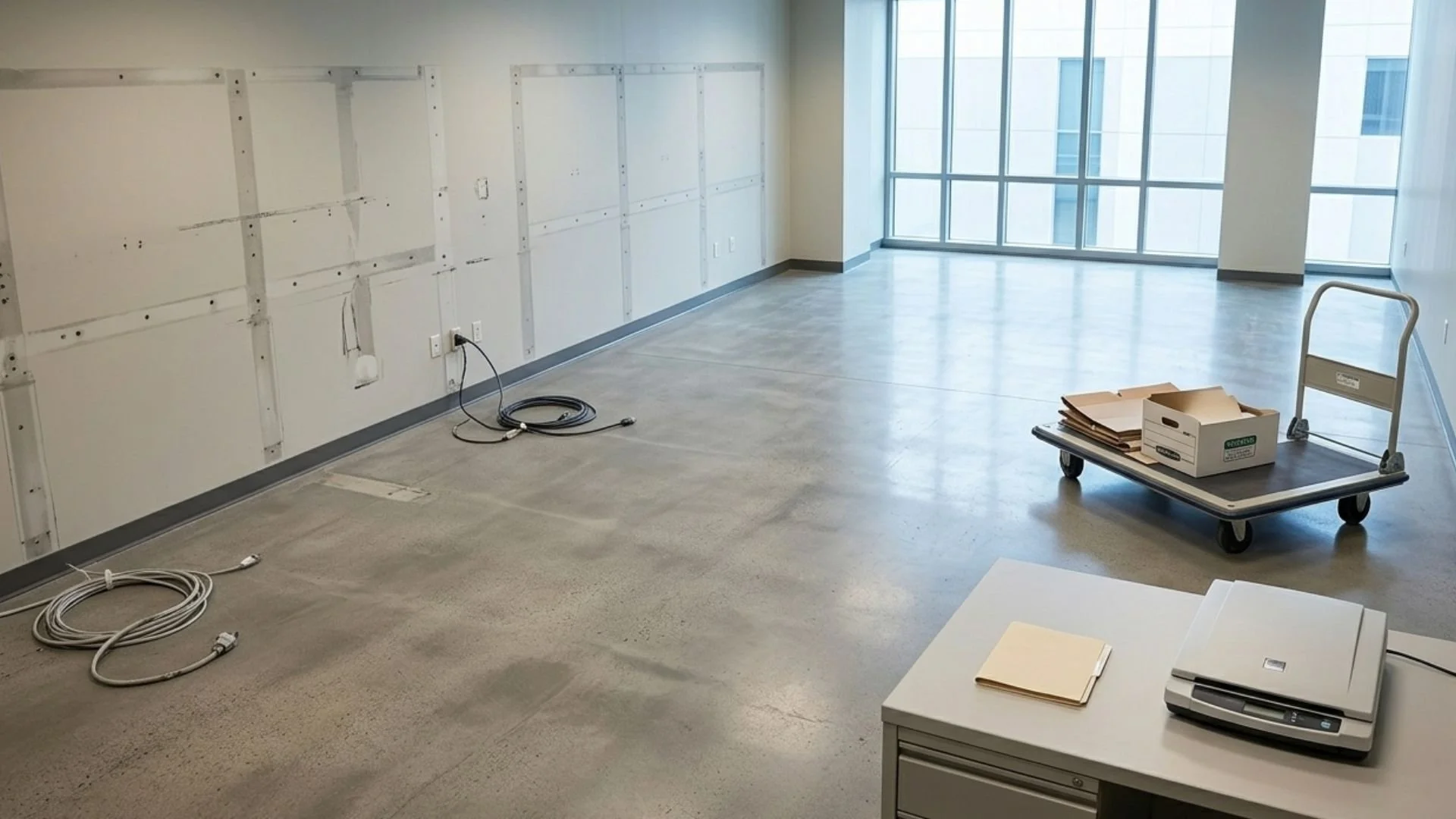
2. Eliminating Storage During Digital Transitions
Office moves, downsizing, or shifting to a digital-first model create a decision point:
Move everything—or transform it.
More organizations are choosing to:
Digitize files before relocating
Eliminate offsite storage costs
Centralize document access across teams
This isn’t just about space—it’s about removing long-term dependency on paper.
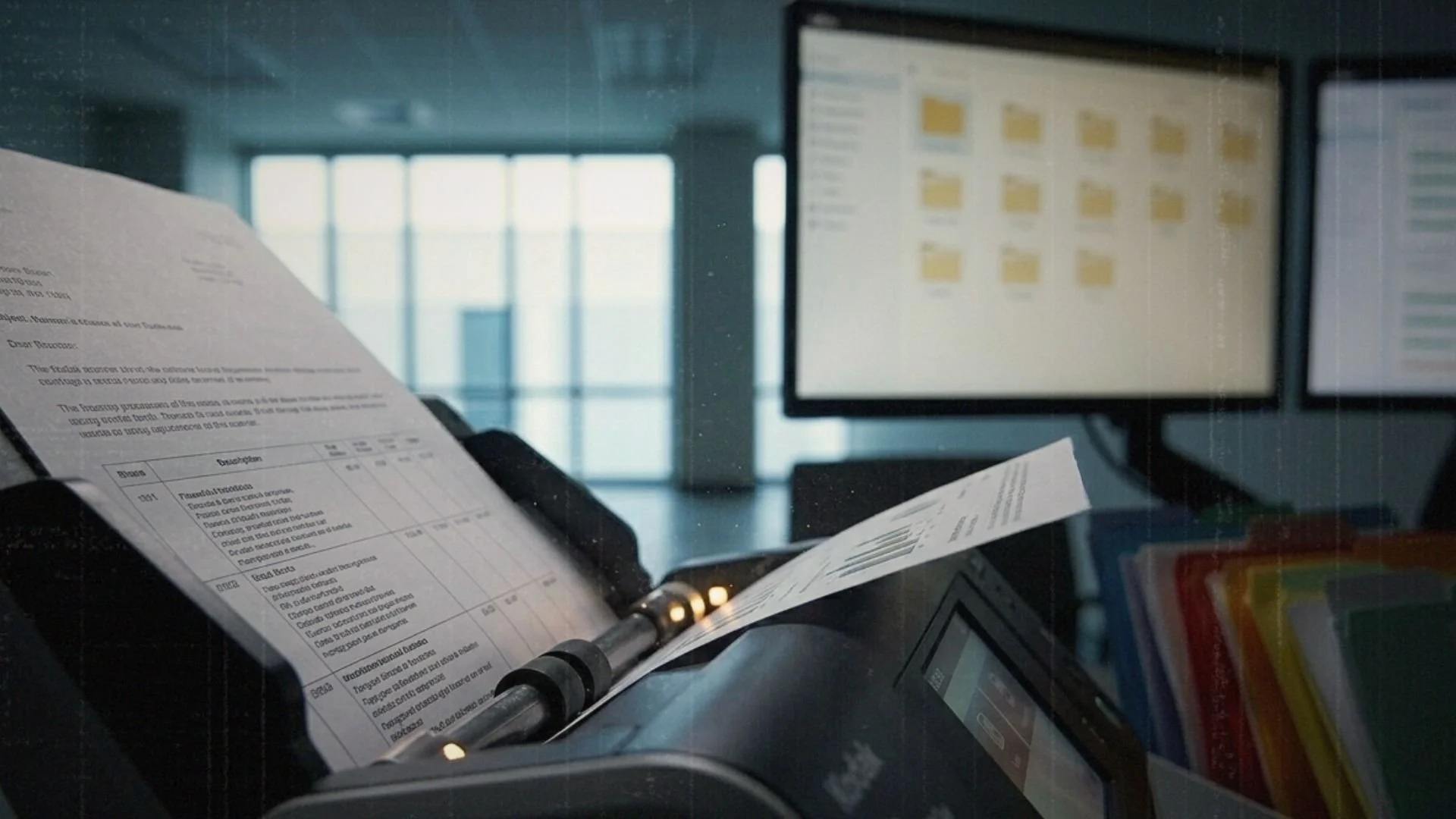
3. Keeping Up with Daily Document Flow
Digitization isn’t just about the past—it’s about maintaining momentum.
Organizations still receive physical documents every day:
Invoices
Bills of lading
Intake forms
Contracts
Without a digital intake process, these slow everything down.
With the right document imaging workflow, you can:
Capture documents as they arrive
Convert them into structured data
Push information directly into your systems
No delays. No re-entry. No bottlenecks.
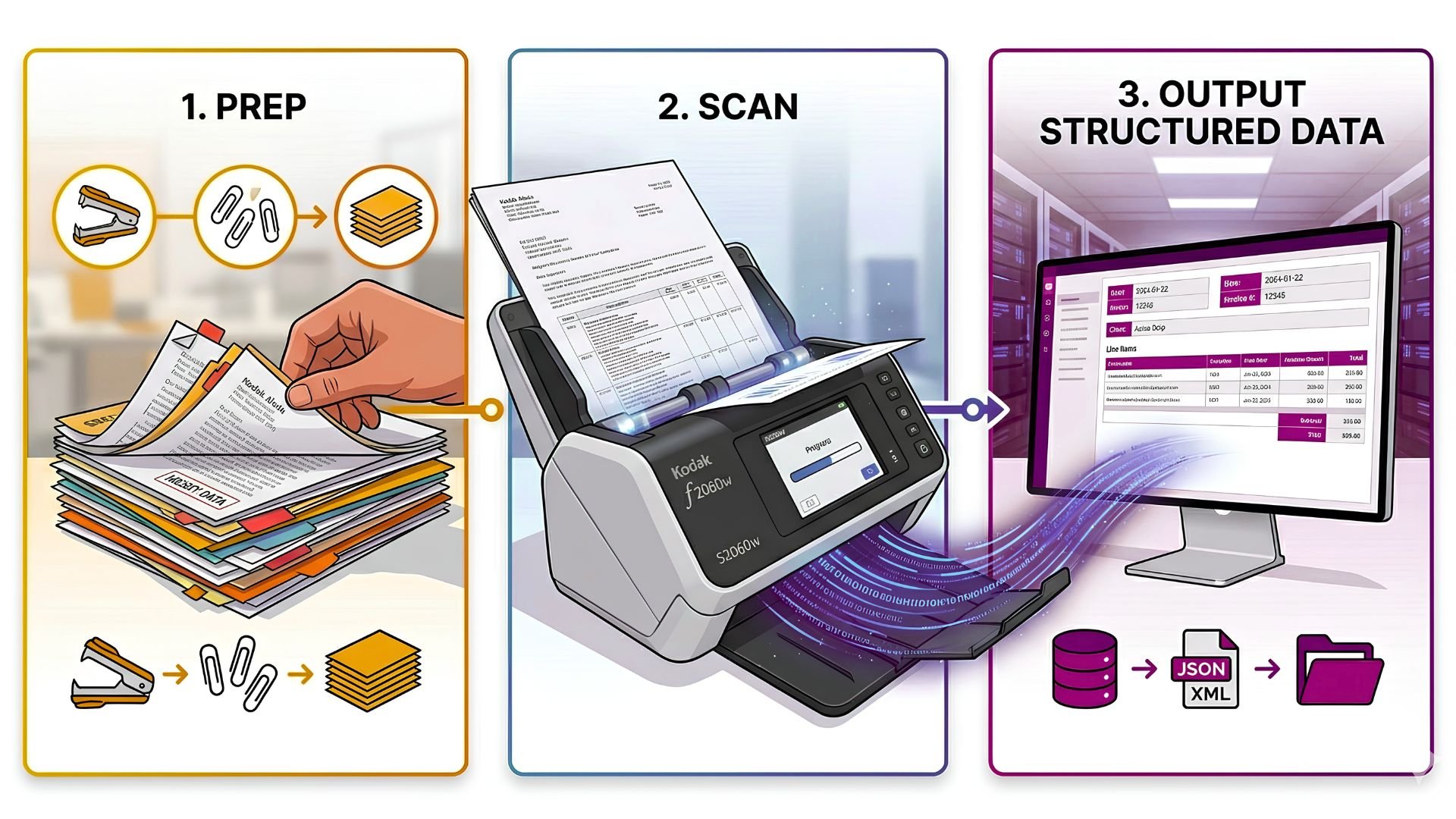
A Scanning Process That Doesn’t Disrupt Operations
One of the biggest concerns around document digitization is downtime.
A well-designed process avoids it entirely.
At NextFile, scanning is built around continuity:
Preparation
Documents are sorted, organized, and optimized for accuracy.
Scanning
High-volume, high-resolution capture using advanced imaging systems.
Structured Output
Files are delivered exactly how your business needs them—indexed, formatted, and ready to use.
This approach allows digitization to happen in parallel with your day-to-day operations.
From Scanned Files to Searchable, Structured Data
Scanning alone isn’t the end goal.
A folder full of PDFs doesn’t solve workflow challenges.
The real value of digital imaging services comes from what happens next:
Extracting key data from documents
Structuring information for search and reporting
Integrating with document management systems
Enabling automation across workflows
This is where documents stop being files—and start becoming functional data.
Why Businesses Are Investing in Document Scanning Now
The shift toward digital workflows is accelerating for a reason.
Organizations are prioritizing:
Faster access to critical information
Reduced operational costs
Improved compliance and security
Scalable systems that support growth
Paper-based systems can’t keep up with these demands.

Digitizing your documents isn’t about replacing paper—it’s about removing friction.
It creates space.
It improves speed.
It connects information to the systems that actually move your business forward.
Whether you’re dealing with decades of archived records or managing documents that arrive every day, document scanning and digital imaging services are the first step toward a smarter, more scalable workflow.