
Stop Typing. Start Analyzing.
Most companies don’t have a data problem.
They have a document problem.
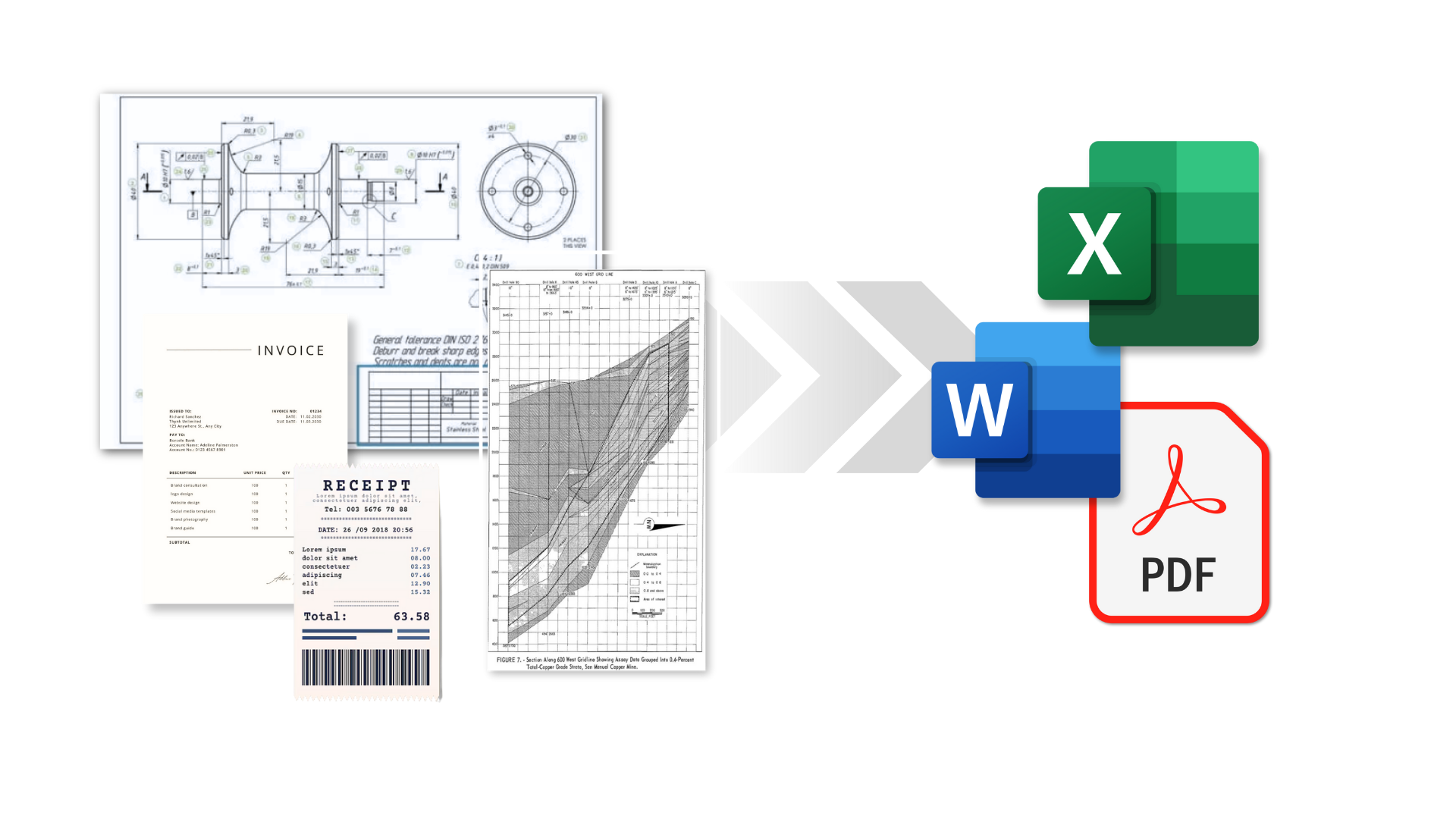
Critical business data lives inside PDFs, paper records, handwritten logs, technical reports, certificates, and spreadsheets that were never designed to talk to each other. Before that data can be used, someone has to sit down and manually type it into Excel or an internal system.
It’s slow.
It’s repetitive.
And it’s a massive waste of skilled time.
Highly trained professionals end up doing clerical work just to get information into a usable format. Hours turn into days, and days turn into weeks of manual transcription before analysis can even begin.
That’s the gap NextFile AI was built to close.
So, What is NextFile AI?
NextFile AI is an AI-powered document processing platform that converts unstructured documents into clean, structured, analysis-ready data.
In simple terms, it takes information trapped in documents and turns it into something you can actually use.
No manual typing.
No endless copy-paste.
No digging through files to find numbers.
Just structured data, ready for analysis and decision-making.
The idea is straightforward: make documents support your operations.
The Real Problem NextFile AI Solves
Manual document processing has quietly become one of the biggest operational bottlenecks in modern organizations.
It shows up everywhere:
Teams spending hours entering data into spreadsheets
Paper records sitting in storage with valuable information locked inside
Scanned PDFs that can’t be analyzed easily
Inconsistent document formats across projects
Data delays slowing down decisions
Costly human transcription errors
And the truth is, most organizations just accept this as normal.
But it doesn’t have to be.
When skilled engineers, geologists, analysts, or operations staff are spending time typing numbers from documents, something is broken in the workflow.
Their expertise should be going toward interpretation, planning, and decision-making, not data entry.
NextFile AI removes that friction and gives valuable time back to the people who actually need it.
How NextFile AI Actually Works
NextFile’s AI-driven processing delivers structured, usable data through a controlled and reliable workflow.
Here’s how the process works.
1. Secure Document Intake
Everything starts with document intake.
Organizations upload their files securely, whether they are paper scans or digital records.
This can include:
PDFs
Scanned documents
Reports
Technical files
Logs
Certificates
Forms
Tables
Images
Files are organized and validated before processing begins to ensure completeness and clarity.
This structured intake ensures clean and reliable results from the start.

2. AI Extracts the Important Data
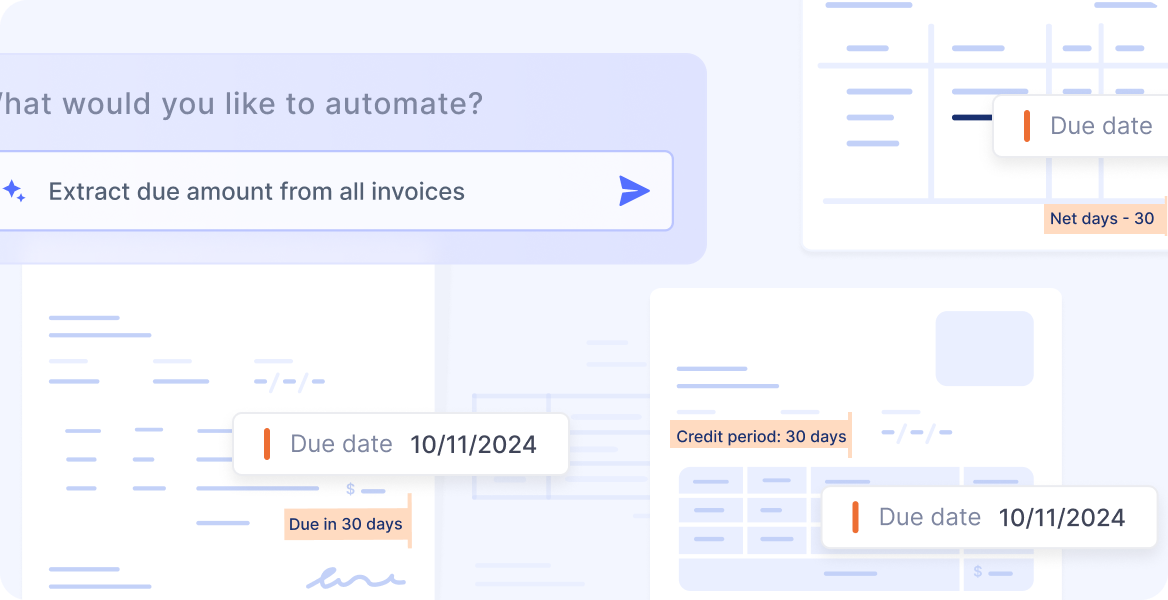
NextFile AI reads each document and identifies the information that actually matters.
The system captures:
Key values
Tables
Labels
Numeric data
Structured fields
Important metadata
Instead of someone manually scanning a document and typing line by line, the AI handles the extraction automatically.
This dramatically reduces processing time and eliminates repetitive manual work.
3. Data Gets Organized and Structured
Extracted data is converted into structured formats that teams can use immediately.
Outputs include:
Excel files
CSV datasets
Structured tables
Databases
Workflow-ready data
This is where documents become operational assets.
Information becomes searchable, sortable, and ready for analysis without additional cleanup.
4. Validation and Quality Control
Accuracy is critical.
Reading text is easy. Delivering reliable data is not.
NextFile AI includes validation and quality control to ensure the final data is consistent and trustworthy.
This reduces risk and builds confidence in the output.
Because structured data is only valuable if it’s correct.
Organizations need to trust the information they are working with, and NextFile AI is designed with that in mind.
5. Teams Receive Analysis-Ready Data
Once processing is complete, structured data is delivered in a format ready to use.
Teams can immediately move to:
Analysis
Reporting
Decision-making
Operational planning
System integration

This Matters More Than YOU Think.
Document processing sounds like a small operational issue.
It isn’t.
It directly affects speed, cost, and decision-making.
When data is locked inside documents:
Projects slow down
Analysis gets delayed
Errors increase
Costs rise
Opportunities get missed
When data is structured and accessible:
Workflows move faster
Teams make decisions sooner
Resources are used efficiently
Organizations become more agile
The difference is operational momentum.
NextFile AI helps organizations move from document-heavy workflows to data-driven execution.
the Biggest Impact
NextFile AI is especially valuable in industries that rely heavily on document-based data.
Mining and Geology
Drill logs, assay certificates, and technical reports can be transformed into structured datasets for faster target analysis and project planning.
Engineering and Technical Teams
Field reports and operational documents can be processed without manual entry.
Industrial and Operations Teams
High-volume documentation can be converted into structured data to improve workflow speed and reduce bottlenecks.
Data-Driven Organizations
Any company managing large volumes of documents can benefit from automated document processing.
The challenge is universal: valuable data is stuck inside documents.
NextFile AI unlocks it.
The Bigger Picture
AI is changing how organizations work with information.
The shift is centered around removing low-value tasks that slow them down, with manual data entry is one of those tasks.
It adds cost, delays insight, and distracts skilled professionals from the work that actually matters.
NextFile AI represents a simple idea:
Documents should not be a barrier to progress.
They should be a source of usable intelligence.
When documents turn into structured data automatically, organizations move faster and make better decisions.
That’s the real impact.
Turn your documents into structured data with NextFile AI.
Book a demo or contact the team to see how it works.